
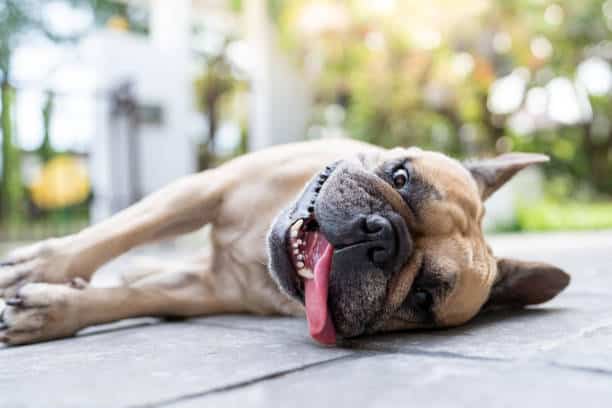
Summer in Florida means sunshine, outdoor adventures, and plenty of time spent enjoying the warm weather with our pets. Unfortunately, high temperatures and humidity can also put our furry companions at risk for heat stroke, a serious and potentially life-threatening condition that requires immediate attention.
As pet owners, understanding the signs of heat stroke and knowing how to respond can make all the difference.
Why Are Pets at Risk?
Unlike humans, pets cannot cool themselves efficiently by sweating. Dogs primarily regulate their body temperature through panting, while cats rely on grooming and seeking cooler areas. When temperatures rise, especially in Florida’s humid climate, these natural cooling methods may not be enough.
Some pets are particularly vulnerable to overheating, including:
- Senior pets
- Puppies and kittens
- Overweight pets
- Pets with heart or respiratory conditions
- Brachycephalic (short-nosed) breeds such as Bulldogs, Pugs, Boxers, Persian cats, and Shih Tzus
- Pets with thick or dark-colored coats
Common Signs of Heat Stroke
Heat stroke can develop quickly, especially during outdoor activities, walks on hot days, or time spent in poorly ventilated areas.
Watch for these warning signs:
- Excessive panting or difficulty breathing
- Heavy drooling
- Bright red or pale gums
- Rapid heartbeat
- Weakness or lethargy
- Disorientation or confusion
- Vomiting or diarrhea
- Glassy eyes
- Stumbling or loss of coordination
- Collapse
- Seizures
If your pet is showing any of these symptoms, treat it as an emergency.
What To Do If You Suspect Heat Stroke
If you believe your pet is overheating:
- Move them immediately to a cool, shaded, or air-conditioned area.
- Offer small amounts of cool (not ice-cold) water.
- Wet their body with cool water, focusing on the paws, belly, and groin area.
- Use fans to help lower body temperature.
- Contact your veterinarian or an emergency veterinary clinic immediately.
Avoid using ice water or ice packs directly on your pet. Cooling them too quickly can actually make the situation worse by constricting blood vessels and trapping heat inside the body.
Even if your pet appears to recover, veterinary evaluation is important because heat stroke can cause internal organ damage that may not be immediately visible.
Prevention Is the Best Protection
Fortunately, heat stroke is often preventable with a few simple precautions:
Never Leave Pets in a Vehicle
Even with the windows cracked, temperatures inside a parked car can rise to dangerous levels within minutes. On an 85 degree day, the temperature inside a vehicle can exceed 100 degrees very quickly.
Walk During Cooler Hours
Schedule walks and outdoor playtime during the early morning or evening when temperatures are lower.
Check Pavement Temperatures
Asphalt and concrete can become hot enough to burn paw pads. Try the “seven-second test” place the back of your hand on the pavement. If it’s too hot for your hand, it’s too hot for your pet’s paws.
Provide Plenty of Fresh Water
Always ensure your pets have access to clean, cool water, both indoors and outdoors.
Offer Shade and Cooling Areas
If your pet spends time outside, provide shaded areas and a cool place to rest. Consider cooling mats, elevated beds, or kiddie pools for dogs that enjoy water.
Know When to Stay Indoors
On especially hot or humid days, limiting outdoor activity may be the safest option.
Special Considerations for Florida Pet Owners
Florida’s combination of high temperatures and humidity can make it difficult for pets to cool themselves, even when the temperature doesn’t seem extreme. Pay attention to the heat index, not just the air temperature, and monitor your pet closely during outdoor activities.
Remember that heat stroke can occur any time of year in Florida, not just during the summer months.
Keeping Pets Safe All Season Long
Our pets depend on us to recognize when conditions are becoming dangerous. By learning the signs of heat stroke and taking preventive measures, you can help ensure your furry family members stay healthy and comfortable throughout the year.
If you’re away from home during the hottest parts of the day, a professional pet sitter can provide fresh water, potty breaks, and wellness checks to help keep your pets safe.
At Laura the Pet Nanny, your pets’ health and comfort are always our top priority. Contact us today to learn more about our pet care services and how we can help keep your pets happy, healthy, and safe all summer long.